

Hospital Visits For Newborns
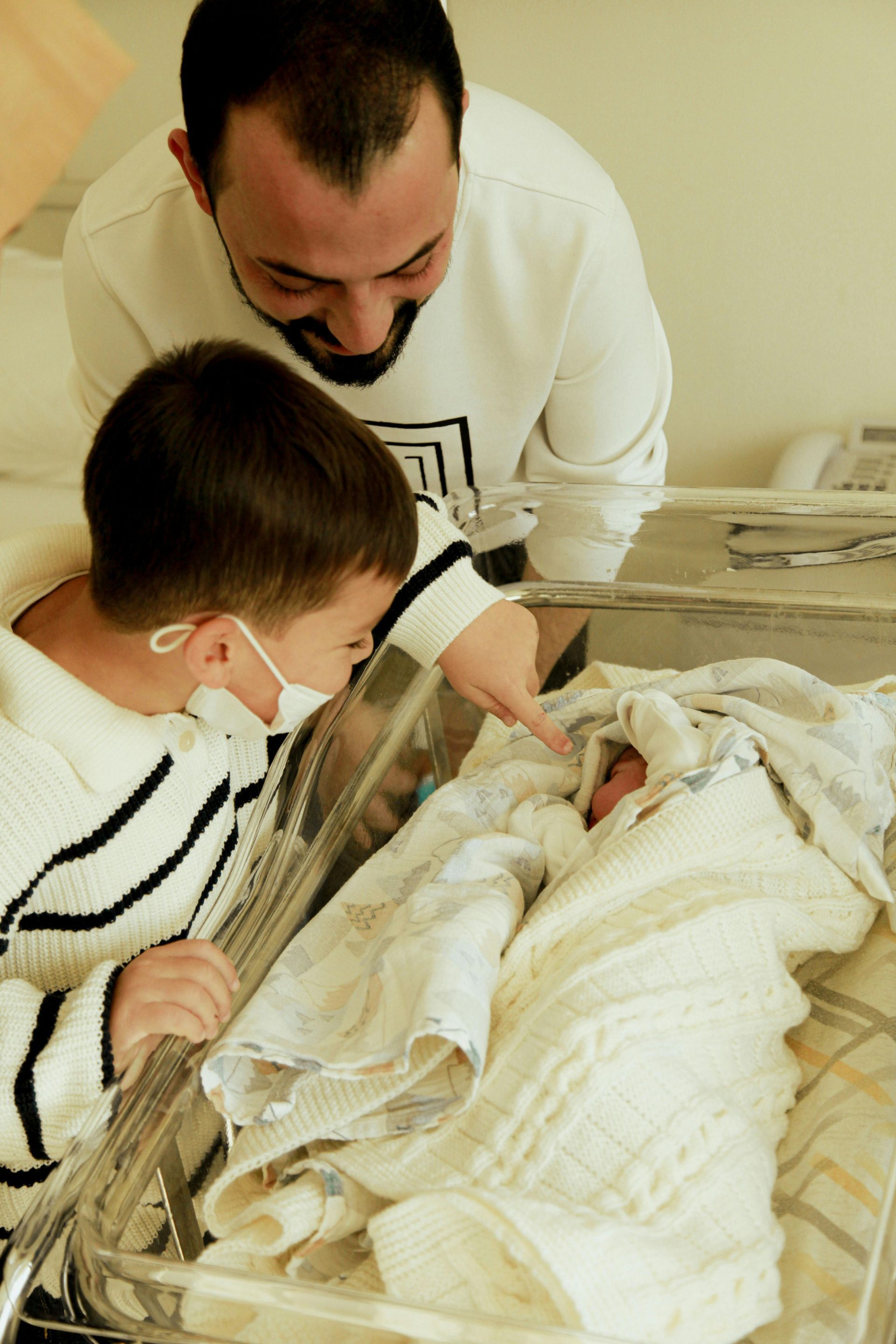
Introducing a new life into the world is a major event for most families. Loved ones tend to gather to see the little bundle of joy for the first time, to check in on the new parents, or to offer their support.
To accommodate this, most hospitals allow visitation, even in the postpartum recovery room, where mom will likely be for the first few days after giving birth. It’s important to know the hospital’s rules on visitors and visiting hours, then have that information passed on to any potential visitors.
Tips On Setting Boundaries And Politely Limiting Your Guests

Of course, the postpartum recovery room is also a place where privacy matters. Things like breastfeeding, allowing the baby to sleep, treatments and follow up exams require a discretion where guests might not always be welcome.
This is especially true with the earliest days of breastfeeding, where both mother and baby are adapting to the process. It might help to develop a code phrase with your nurse, or partner to let them casually know that it’s best for the guests to leave the room. It could be something as simple as a “Boy, they really have comfy pillows!”
Prohibiting Certain Guests

In the earliest days of a newborn’s life, their immune system can still be vulnerable. They haven’t received any vaccinations and could be susceptible to a wide range of diseases. Even something as simple as the common cold or the flu virus could prove to be a dangerous threat to a newborn’s health.
In times when a local outbreak of the flu or other communicable illness is high, some hospitals will put a limit on visitors, or restrict the number of visitors. In many of these cases, the hospital might also provide masks for visitors entering the maternity ward or visiting a postpartum recovery room.
Even if there are no local or personal illness concerns, everyone should thoroughly wash their hands before touching or snuggling the baby.
Safe Transportation And Car Seats

By law, all infants and children under the age of 8 must use a certified car safety seat any time they are transported in a vehicle. Simply holding a baby in your lap offers no protection from sudden stops or a potential collision. Install an infant car seat before the day you bring your baby home.
Ideally, the car seat should be installed rear-facing, and preferably in the center of the back seat. New Jersey law mandates that the child rides in this configuration until they are two years old. Statistics bear out that this is up to five times safer than having a child facing forward.
A child should not sit in the front seat until they are at least 12-years old, or in some cases, where a vehicle like a pickup truck, might not have a back seat. If the child is sitting in the front seat, the front airbags need to be disengaged or disabled. Even as they grow, a child needs to be in a five-point harness, in a car seat until they are at least 4 years old as well as weighing over 40 pounds.
Newborn Feeding

Breastfeeding and formula are the two most common options for feeding a healthy newborn. It’s also worth bearing in mind that newborns may lose as much as10% of their initial body weight in the first few days after birth as they learn to feed.. Hospitals will perform daily weight checks to ensure that this weight loss is within an acceptable normal range. This might also include collecting other measurements such as head circumference, and length.
The baby’s bowel movements can also be a good indicator of the newborn’s health and feeding success. Most normally healthy newborns will have 10 to 12 bowel movements per day for the first few days. After that, the rate may vary but be as low as one time every three days or as often as multiple times per day. The color is typically yellow, brown, or even green.
After you take the baby home, you should continue to monitor their bowel movements and urine output. If your newborn does not have more than one bowel movement at least once in a three-day period, during the first two weeks, you should call our office.
Breastfeeding A Newborn

A large body of research has found that breastfeeding is the ideal choice for newborns. Especially, in the earliest days of life. The optimal nutrition of breast milk can help guard your baby against infections, as well as reduce the chances of other conditions such as diabetes, asthma, certain allergies, and SIDS.
Yet the earliest days of breastfeeding can be challenging for new mothers and newborns. The baby needs to learn how to “Latch” onto the nipple, and often needs help from the mother. For the first few days after birth, a mother’s mammary glands will produce a semi-clear liquid known as colostrum, which has extraordinary nutrition as well as other properties. After four to six days, natural breast milk is drawn down to gradually replace the boosting colostrum.
We typically recommend that you breastfeed the baby equally from both breasts during the course of each feeding session. Most healthy newborns will require between 8 to 12 feedings in a given day, during the first two weeks. This breaks down to roughly one feeding session every two to three hours.
You shouldn’t be discouraged if there are some difficulties in the early going. Many newborn’s struggle to latch effectively at first as this process is new for both of you. We can help you through this transition. As time goes on, both you and your baby will get used to breastfeeding, and even come to cherish the bonding time it brings.
After the first two weeks of breastfeeding, both you and your newborn should be fully adjusted to the process, and excess breast milk can be expressed and stored. This can also give Dad and other family members the opportunity to feed the baby. Later, stored milk can be provided to babysitters and daycare providers.
Generally, stored breast milk can be kept in the refrigerator for up to five days. When frozen in proper storage bags it can keep for up to three months. Just make sure to fully thaw the milk in a refrigerator or a cold water bath, before warming it. Breast milk should never be thawed in the microwave. Once frozen milk has been thawed, it needs to be used within four to six hours.
Breast milk is inherently low in Vitamin D precursors. For many newborns we recommend supplemental vitamin D drops. At the same time, it’s also a good idea for a breastfeeding mother to take daily prenatal vitamins, and eat a well-balanced diet. This will help maximize the nutrient profile of the breast milk.
Ideally, you should breastfeed or supply expressed breast milk to your baby throughout their first year. This will help get them off to a good start. As time goes on, we will help you understand when, and what solid foods to add to your baby’s diet.
Unless directed by your physician, you should avoid giving your infant other beverages such as water, juice, or other drinks until they are six months old. If your infant develops constipation issues, we can help you understand which measures are best to address the issue.
Formula Feeding
For parents who choose to feed their infant formula,we recommend a cow’s milk formula that has also been fortified with iron.
Formula is typically available in three forms. Ready to use and liquid concentrate are available in some locations, but most prefer powdered formula. You simply mix it with room temperature water in the proportions noted on the canister. You can then gently warm the bottle in a warm water bath to around 70 to 75 degrees. You shouldn’t mix the formula with warm water unless you intend to feed it immediately.
Sleeping
ISleep is a very important part of newborn development, and often a challenge for new parents. At first, a newborn baby will usually wake up every two to four hours for a feeding. This waking period might also be the ideal time for a diaper change.
Newborns don’t have a real concept of a diurnal sleep schedule. They can be awake at just about any hour, including the middle of the night. Sleeping when they sleep or setting up a schedule that maximizes your sleep, will go a long way toward reducing the exhaustion and stress that comes with being a new parent. As time goes on, your infant will gradually trend toward a typical nighttime sleeping pattern. Just don’t expect it to happen quickly.
Sleeping pattern is very important for newborns and infants under one year of age. Research has found that placing a baby on their back to sleep, reduced the risk of “Sudden Infant Death Syndrome” which is also known as SIDS.
Well Child Exams And Infant Weight Checks
In the two years of your baby’s life, there are a number of scheduled visits for well-child exams. Within the first two days, your physician will likely schedule jaundice and weight checks, to track the small amount of body weight that most babies lose shortly after birth. This also helps to monitor how their liver is responding to life outside of the womb, by how much jaundice or yellowness develops in the baby’s skin.
The American Academy of Pediatrics recommends a specific schedule of well-child exams during the first two years. The Pediatric Group can help you with setting up times that fit you and your baby’s schedule. The recommended schedule generally consists of:
1 month check-up including vaccination
2-month check-up, including vaccinations
4-month check-up, including vaccinations
6-month check-up, including vaccinations
9-month check-up, including vaccinations and a hemoglobin test and a lead screening
12-month check-up, including vaccinations
15-month check-up, including vaccinations
18-month check-up, including vaccinations and an autism screening
24-month check-up, including second screenings for autism and lead
30 months check, which includes a formal developmental screening
After the age of three, your child will need an annual well-child exam once per year.
Congestion, Hiccups, and Sneezing
Newborns have a lot of reflex reactions, some of which remain as they grow all the way into adulthood. Things like hiccups and sneezing are completely normal, as is a minor amount of congestion. Hiccups are a strange quirk of biology shared by all mammals, and not something to be alarmed about.
Sneezing helps clear airways and might not have anything to do with an illness. Sometimes a newborn will simply have congestion issues that need to be relieved by you. This requires a few saline drops and gentle suction syringe to help remove excess nasal congestion, one nostril at a time.
If your newborn is having trouble breathing, labored breathing, fever or has decreased feeding, you should call the officefor further advice.
Stools
The color, character, consistency, and frequency of your baby’s bowel movement can vary widely. Early on your newborn might have a bowel movement every two hours, or as little as once every three days. The stools of breastfed babies tend to be a little looser. Formula fed babies tend to have more solid and pasty stools.
Colors can range from brown to yellow to dark green. In the first few days of life, your baby’s stools might be like black tar. It’s natural for your baby to strain and even get a little red in the face when passing a stool, as their abdominal muscles are not fully developed. If your baby is passing stools that look like hard pellets, they might be experiencing problems with constipation.
As long as your baby seems healthy, is eating and shows no other signs of illness, you shouldn’t be worried about changes in their stools or frequency of their bowel movements. If you do have questions and concerns, The Pediatric Group is always ready to help.
Maintaining Healthy Skin
Newborns and babies up to six weeks old can be increasingly prone to developing rashes, especially on their face. This might manifest as small lesions or pimples that clear up over time. Newborn acne is relatively common on the neck, face, and upper chest. These issues usually clear up by six to eight weeks of age.
You can wash their face and other affected areas twice a day with a mild, unscented soap, and a gentle washcloth. You should never use oils, lotions, or creams without first consulting with a physician. If your baby develops a widespread, severe rash, you should call the office for further advice.
Stork Bites are another relatively common skin abnormality with newborns and small infants. They are typically flat, pink to burgundy-colored birthmarks that appear on the back of the neck, or above the eyes or nose. They tend to gradually go away over time. By 18 months these marks should alleviate or become covered with hair.
Bathing Your Baby
ost newborns have dry skin in the early days. At the same time, frequent bathing can also increase dry skin issues. Bathing your baby every other day with an unscented, mild soap can help reduce dry skin problems.
When bathing your baby do not immerse them in the water until the umbilical stump has fallen off and the surrounding skin is fully healthy. You can wash your baby’s hair with a mild shampoo, two to three times a week. Avoid getting water in their eyes. Skin creams and lotions aren’t necessary unless directed by your physician. It’s perfectly normal for the skin on your baby’s hands to peel. This usually subsides in the first two to four weeks.
Burping And Spitting Up
Babies need to be burped as part of a feeding session. Air bubbles that remain trapped in the baby’s stomach can cause an artificial feeling of fullness as well as discomfort.
There are two common burping methods. The “Over the Shoulder” or “Sitting on Your Lap.” It might help to try both to see which one feels right for you and relieves the most air for your baby.
With the “Over The Shoulder” technique, you hold the baby over your shoulder, facing toward you. It can help to place a burping towel on your shoulder in advance, just in case some extra milk comes up with the burp. Then use one hand to hold the baby, while gently patting their back. Make sure that your baby’s head is supported at all times.
In the “Sitting On Your Lap” technique, you remain seated, while using your hands and arms to support the baby’s head. Then gently pat your baby on the back.
For formula-fed newborns, or babies being bottle fed breast milk, you should try to burp after every ounce of milk. As your baby gets older and their volume of milk increases, you can burp them halfway through the bottle.
For breastfed babies, you should try to burp them every time you switch breasts. As you learn to read your baby’s cues, you might need to burp them multiple times during a large feeding session.
Spitting up is relatively common for babies, especially newborns. It is often related to swallowed air, consuming too much milk too quickly, or a loose connection between the stomach and esophagus. Sometimes feeding the baby in a more upright position will reduce this issue.
Maintaining Your Baby’s Diaper Area
An uncircumcised penis requires little special care other than regular cleaning. A circumcised penis, however, will require a modest amount of petroleum jelly for the first week or two while the affected skin fully heals.
With girls, the labia need to be gently cleaned, especially after bowel movements. Always wipe from front to back.
Preventing And Treating Diaper Rash
Diaper rash prevention starts with maintaining clean, dry skin. Frequent, timely diaper changes are key. It’s best to change your baby’s diaper as soon as possible after they urinate or have a bowel movement. As needed, you can clean the area with a warm, wet washcloth. Then pat dry. During the first month of their life, you should avoid using commercial wipes as they can increase skin irritation.
If your baby does develop diaper rash, and you need treatment advice, you can always call the office.
Dressing And Taking Your Baby Outside
he outdoor world can be a little challenging for babies, especially newborns. If the weather is pleasant, you can take your baby for a walk or a ride in a stroller. Just avoid prolonged sun exposure and do your best to keep your baby out of the wind. Crowded areas like shopping malls, grocery stores, and gatherings should be limited, for the first three months, as it could increase your baby’s exposure to harmful germs. Also, noisy areas might distress your baby or interrupt their sleep.
If you are leaving the house alone or traveling with your baby, make sure someone knows where you are going and when you will be back. If something happens such as a flat tire, breakdown or a dead phone battery, people will know to be concerned and where to look.
Your Baby’s Soft Spot
Baby’s are born with a soft spot at the top of their skull. This is a natural adaptation that allows the baby to exit the birth canal. Children born via vaginal birth may even have a slightly abnormal shape to their skull for the first few weeks. Sometimes the skin of the soft spot area will pulsate. As your child grows their skull will assume a more normal shape and the cranial bones in the area will start to harden.
Crying
Crying is a baby’s primary mode of communications. It can be their way of saying that they are hungry, thirsty, need a diaper change, or simply want some affection. As time goes on you may even learn how to interpret what their cries mean. For some babies, crying can be alleviated with the use of a pacifier. This practice, however, should be discontinued by 12 months old.
Colic
Colic is a term used to describe irritability in a young infant. The baby may cry excessively, turn red, and even pull their knees up toward their chest. Colic crying tends to increase in the evening hours.
In some cases, colic can be related to the need to pass gas or burp. There is no tried and true cure for colic. Making your baby more comfortable can help reduce symptoms and response. You could try to turn your baby on their stomach, gently stroke their back, or swaddle them. Babies also tend to sleep on car rides, so it might help to put them in the car and go for a gentle drive. If excessive crying persists or the baby seems to be in pain, or is accompanied by fever, a conversation with one of us is warranted.